Blog
Field notes
Nov 16, 2026
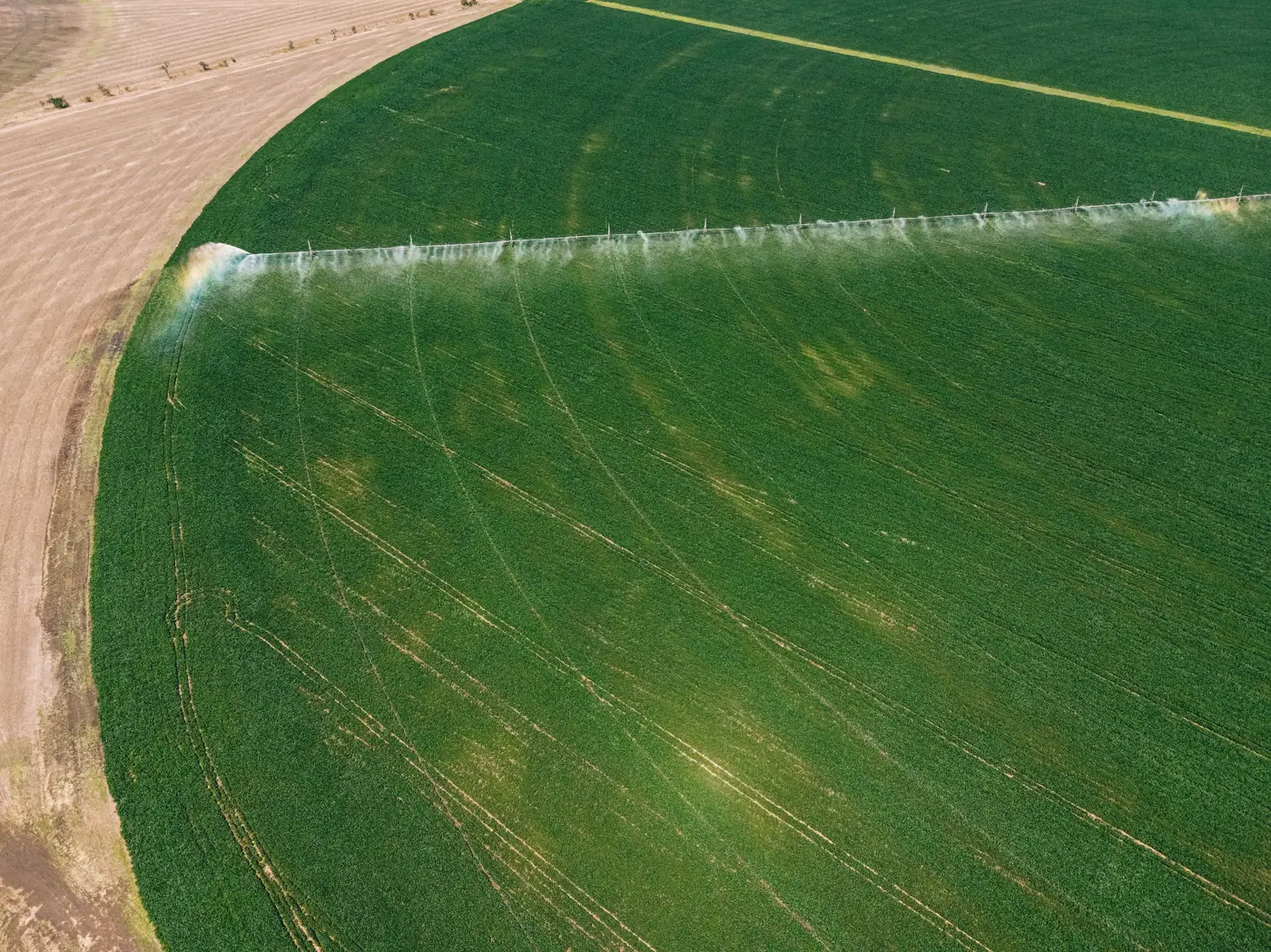 Field notes: the pivot corner nobody zoned for
A pivot corner's water and vigor shift week to week. A static zone map built once at setup won't catch it. A field-notes look at why.
Nov 16, 2026
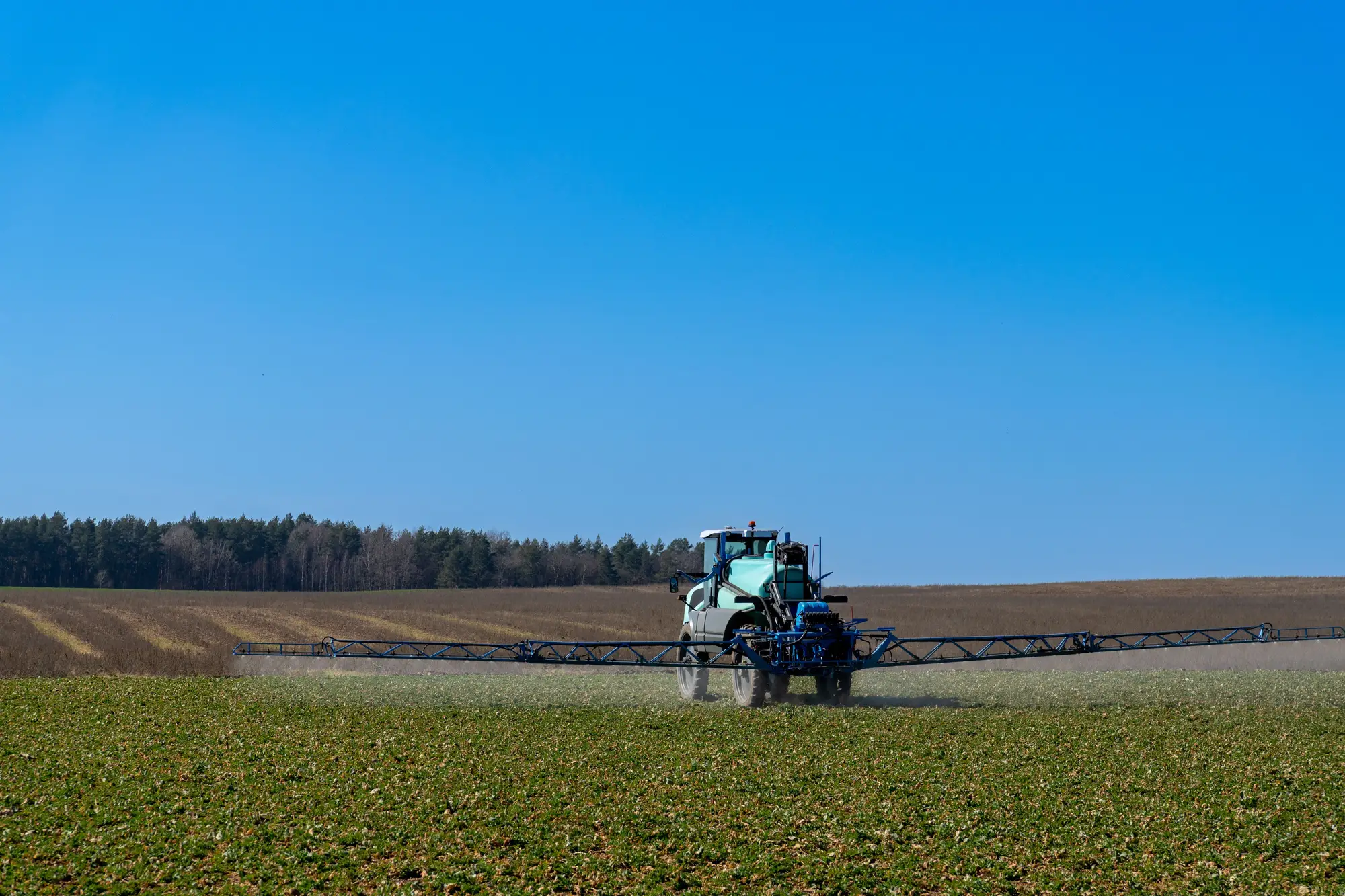 How to turn a vigor map into a variable-rate fungicide script
A practical walkthrough for turning a biomass pass into fungicide zones and a rate file your sprayer controller can load.
Nov 9, 2026
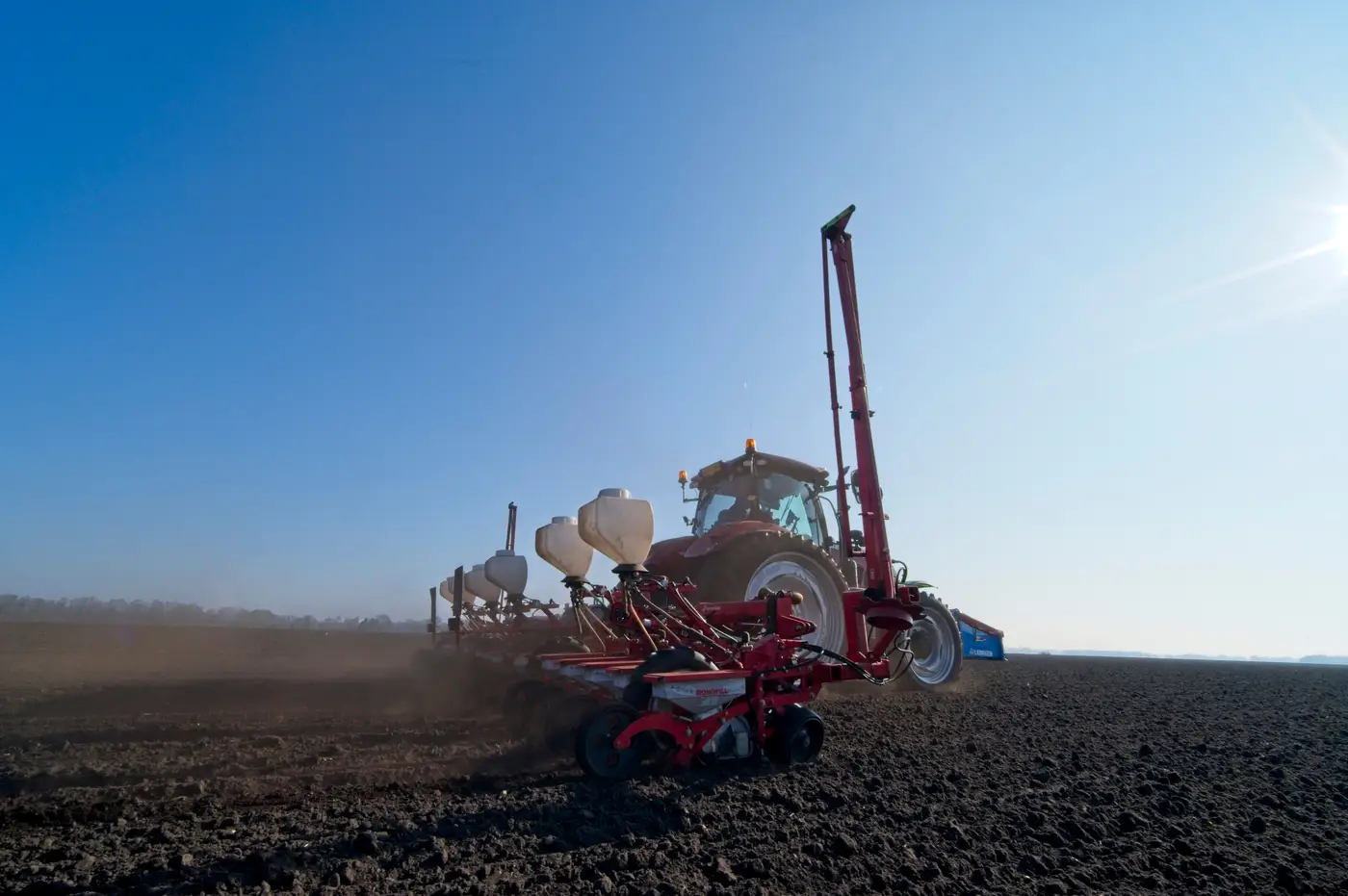 Flat rate vs. variable rate seeding: what actually changes at planting
What changes on the planter when you move from a flat population to a zone-based rate file, and what has to be true before you make the switch.
Nov 9, 2026
 Wet hole or fertility zone: reading a biomass map right
How to tell a drainage pothole from a real fertility zone on a biomass map before you write a bad rate into the script.
Nov 2, 2026
 Field notes: the grower who wanted one flat rate across three soil types
Why growers push for one flat rate across variable fields, and what finally shifts that conversation toward a real per-zone script.
Nov 2, 2026
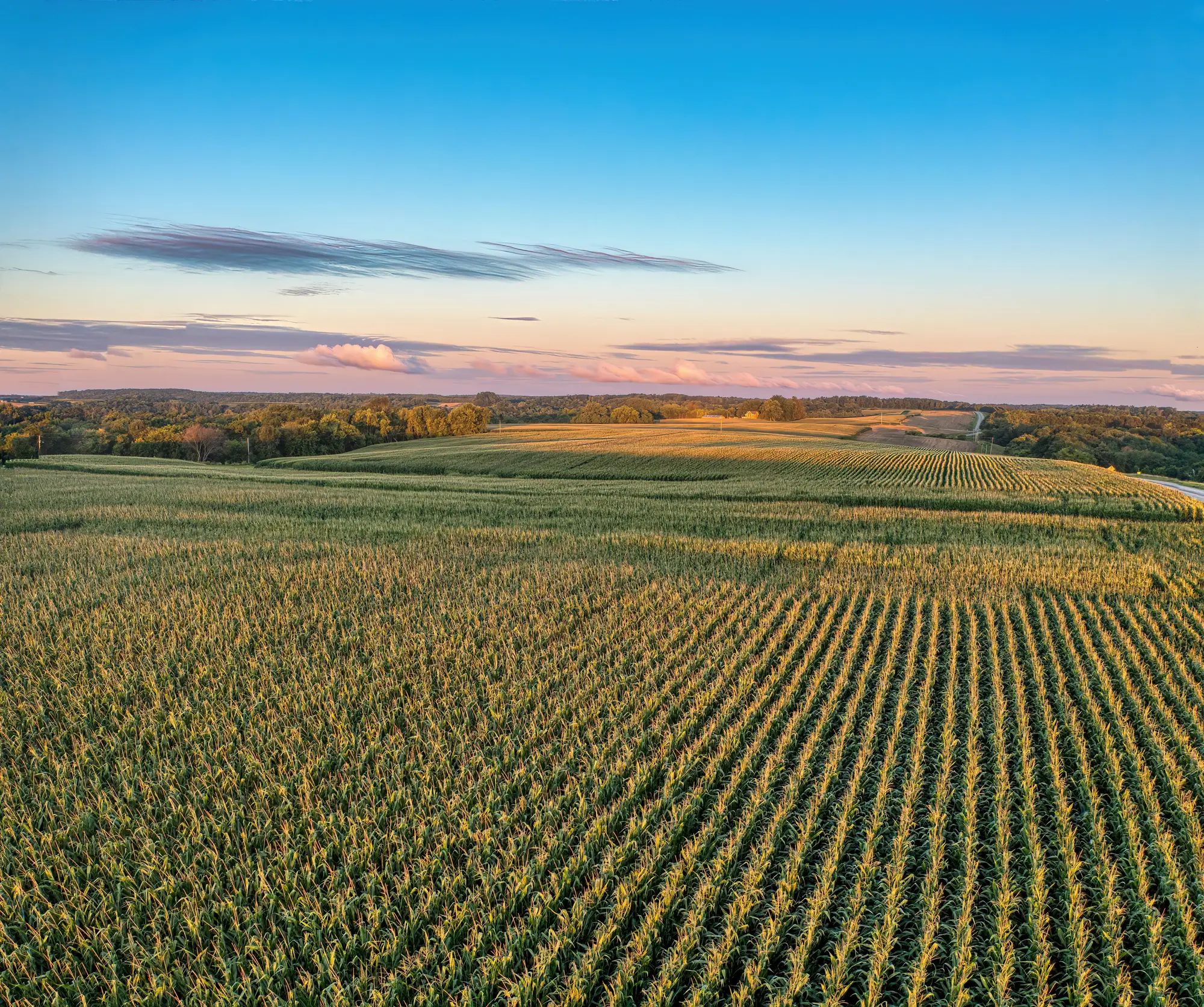 Averaging multiple in-season biomass passes into one rate zone map
How to turn disagreeing weekly biomass flights into one clean rate zone map, without averaging raw index values across growth stages.
Oct 26, 2026
Truing up a rate script against as-applied data after the passHow to pull controller logs and reconcile as-applied rates against a VR prescription after the pass, and what the mismatches usually mean.
Oct 26, 2026
As-applied maps vs. prescription maps: what's the difference?A prescription file tells the controller what to do before the pass. As-applied data shows what it actually did. Here's how agronomists tell them apart.
Oct 19, 2026
Field notes: the pass that caught nitrogen stress earlyA field-notes piece on a vigor gradient that flagged nitrogen stress in corn weeks before visible symptoms, and what it changed about reading weekly passes.
Oct 19, 2026
How to turn a biomass map into a seed population rate scriptA practical walkthrough for turning in-season biomass or vigor imagery into a per-zone seeding rate script a planter controller can run.
Oct 14, 2026
How to turn a biomass map into a seeding rate prescriptionA field-level walkthrough for turning a biomass gradient into seeding rate zones the planter controller can read.
Oct 14, 2026
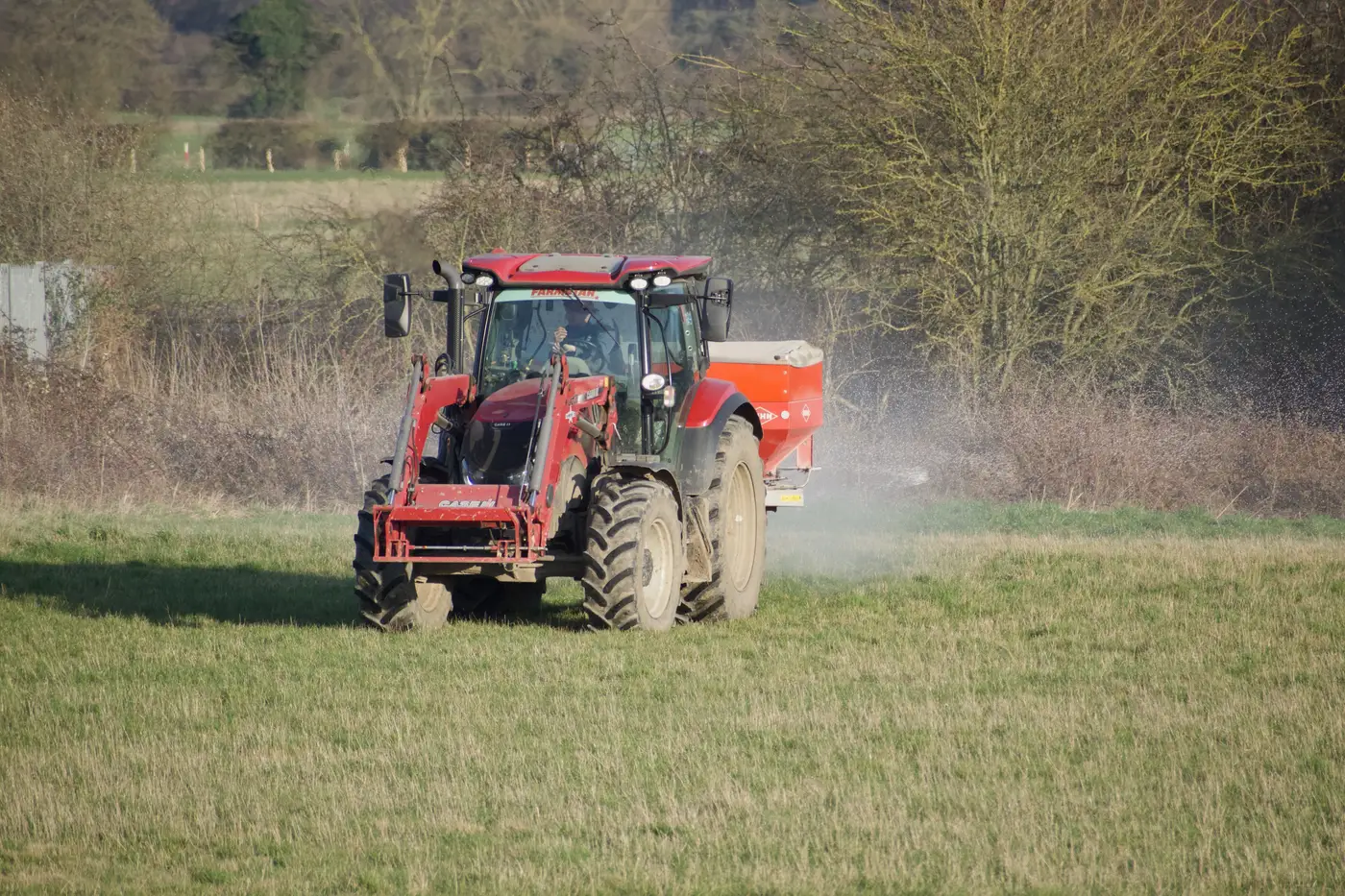 What is a prescription file, and how does a rate controller read it?
A plain explanation of prescription files, ISOXML exports, shapefile prescriptions, and how a rate controller turns zones into rate changes.
Oct 13, 2026
How many rate zones is too many for a variable-rate script?How many management zones a VR seeding or fertilizer script can run before controller lag and bin logistics undo the precision.
Oct 13, 2026
How to ground-truth a vigor zone map before you cut a rate scriptA field walk checklist for confirming vigor zone boundaries against what's growing before you cut seed, N, or chemical rate scripts.
Oct 7, 2026
How many rate steps should a dry fertilizer blend use?A practical look at setting rate steps for dry blend VRT scripts, from controller limits to blend segregation at the tower.
Oct 7, 2026
How to set a minimum zone size for a seeding prescriptionA practical way to set minimum zone size in a seeding script, tied to planter response lag instead of imagery resolution.
Oct 7, 2026
ISOXML vs shapefile: which format does your rate controller want?A field-level breakdown of ISOXML vs shapefile prescription files: what each carries, which controllers want which, and where uploads go wrong.
Oct 7, 2026
NDVI vs NDRE: picking in-season nitrogen ratesA field-level comparison of NDVI and NDRE for in-season nitrogen calls, with guidance on which index holds up at canopy closure.