Filed October 13, 2026
How many rate zones is too many for a variable-rate script?
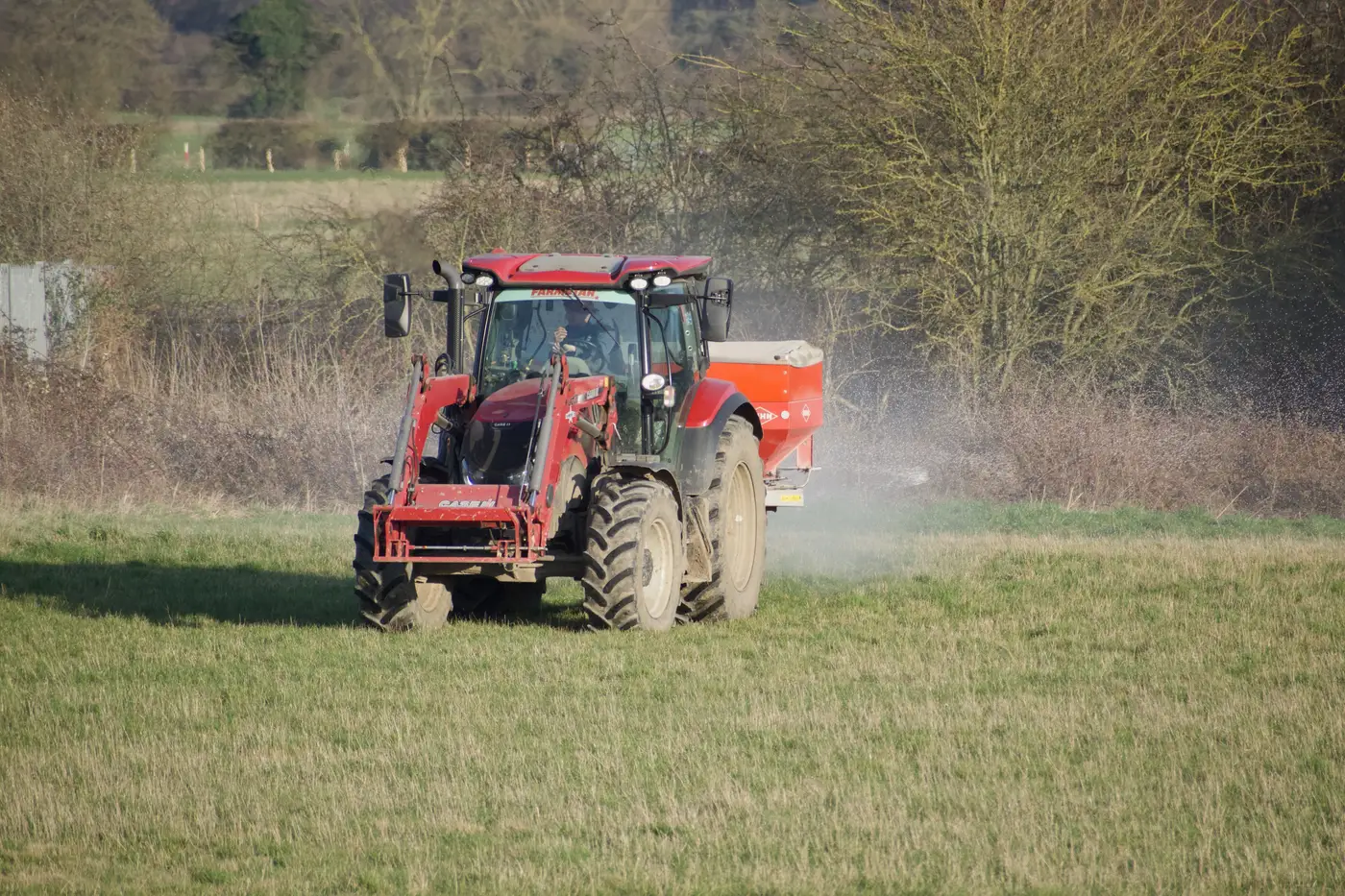
Every agronomist who's built more than a handful of VR scripts has had this conversation with a grower: "Can we just add more zones?" Usually the agronomy supports a few more zones just fine. The equipment on the back end is what can't execute them cleanly.
What limits zone count in the field
A rate script is a file your controller has to read and act on in real time, at 5-8 mph, while the planter or spreader is already mid-pass. Most seed and fertilizer controllers handle rate changes fine up to somewhere around five or six zones per field. Push past eight or nine and you start running into real mechanical limits: clutch response lag on the planter, section-control overlap on the spreader, and rate-change latency that means the equipment is still ramping to the new target rate by the time it's already crossed into the next zone.
That lag matters more than people think. If your zone polygon is narrow (a thin strip along a waterway, say) and the applicator needs three or four seconds to hit the commanded rate, you can end up applying the wrong rate across most of that zone's actual footprint. At that point the extra precision on the prescription map isn't buying you anything in the field. It's just adding complexity to a script that the hardware can't honor.
There's also a practical side that has nothing to do with electronics: seed and fertilizer come in bag or bulk increments, and a lot of growers' bins or seed boxes are only going to hold so many rate changes before loading and calibration turn into a headache for the operator. A nine-zone seeding prescription looks great on a monitor. It's a different story for whoever's filling the planter at 6 a.m.
Finding the right number for the field, not the file
The right zone count tracks the real variability in the field itself. A field with one dominant soil change and a wet hole in the corner might genuinely need three zones: low, medium, high. A field with rolling topography, multiple soil types, and drainage issues scattered across it might support five or six. Past that, you're smoothing noise in the data into zones that don't correspond to anything a grower can point to on the ground.
A decent gut check: can you walk the field (or pull up the imagery) and explain, in one sentence per zone, why that zone is rated the way it is? "This zone is sandy and droughts out every year" is a reason. "This zone is rated a little higher because the model split it that way" is not. If you can't give a one-line agronomic reason for a zone, it's a candidate for merging into its neighbor.
Too many zones in a seeding prescription also tends to show up as noise from one pass of yield or soil data: a single dry year, a combine calibration issue, a soil sample grid that happened to land oddly. Zones built off a single season rarely hold up the following year. That's a separate problem from controller limits, but it pushes agronomists toward the same answer: fewer, more defensible zones.
The same logic applies to a VR fertilizer script. Fertilizer rate changes are cheaper to execute than seed (most spreaders handle rate steps faster than planters handle population steps), so you can sometimes run a couple more zones on a fertilizer pass than you would on seed for the same field. But the ceiling is still there. A 12-zone N script isn't more accurate than a 5-zone one if half those zones are variations on the same soil type that got split by a single outlier reading.
If you're building zones off a current-season biomass and vigor layer instead of a static soil or yield map from two years back, the zone boundaries tend to hold up better because they're reflecting what's growing in the field right now. That's the approach behind Field Variability's per-zone prescription files, built from in-season multispectral passes rather than a one-time snapshot.
Run your zone count against what the controller and the planter box can actually deliver before you run it against what the software will let you draw. If your current scripts are getting rebuilt every season because last year's zones don't match this year's crop, it's worth seeing what a weekly vigor read does to that zone count.