Filed October 19, 2026
Field notes: the pass that caught nitrogen stress early
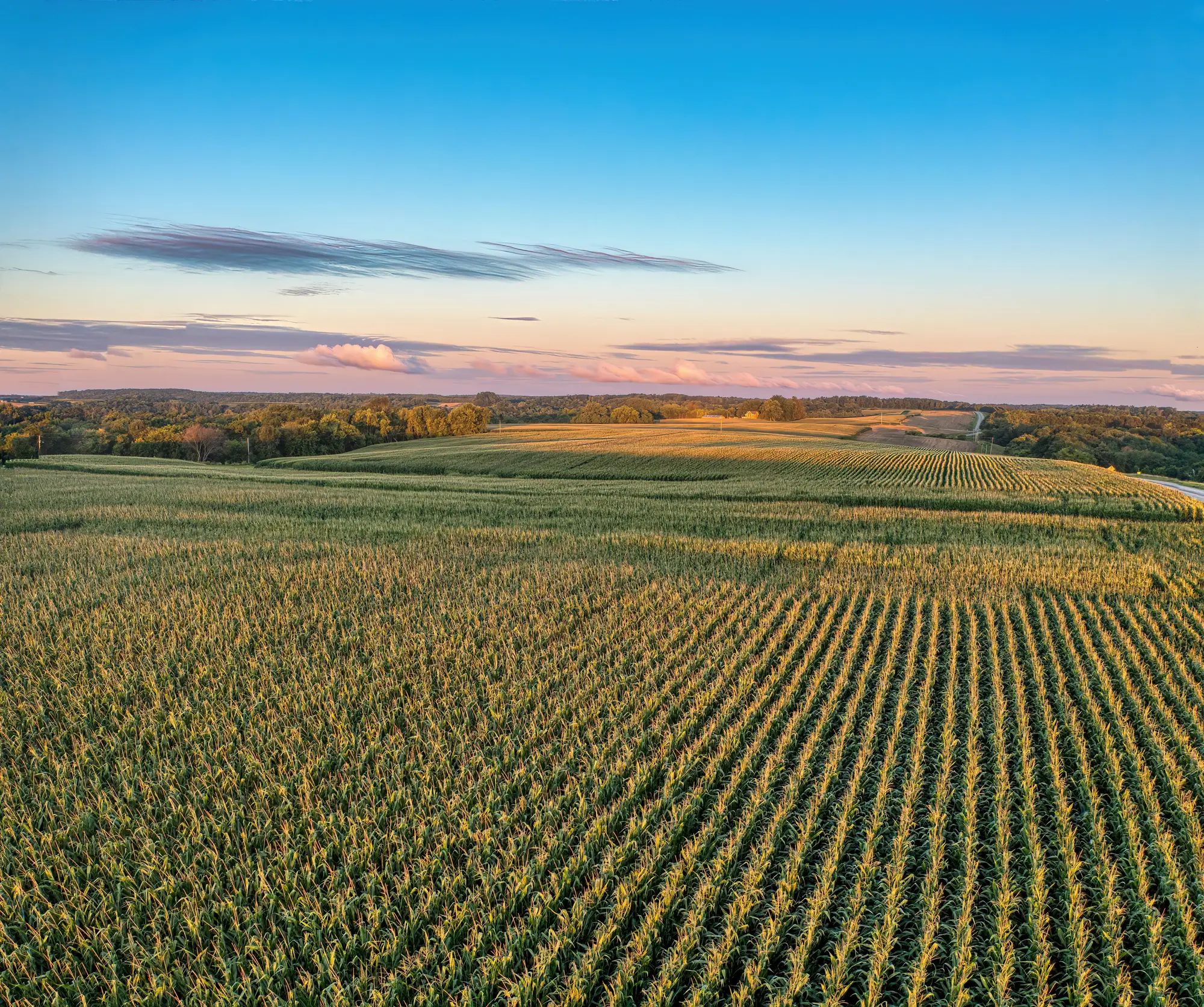
It was a V8 corn field outside a town I won't name, because the grower reads this newsletter and he still hasn't let me live down how long it took us to catch this one by eye.
The pass came back on a Tuesday. Nothing dramatic, just a vigor gradient running diagonal across the north forty, cutting against the slope in a way that didn't match the yield map from two years back. The kind of pattern you'd normally shrug off as planter overlap or a seeding rate blip. Except the field had been planted with one hybrid, one population, variable-rate nitrogen at sidedress. So the gradient had to be telling us something about uptake, not genetics or stand count.
We flagged it and moved on. There were forty other fields in the queue that week.
Three weeks later the grower called. He'd finally gotten out of the truck on that field chasing something unrelated, a drainage tile he thought had failed, and noticed the lower leaves on that same diagonal strip had gone pale at the base, firing up from the bottom the way corn does when it's robbing nitrogen from older tissue to feed new growth. Classic deficiency symptom, textbook V-shaped yellowing, except by the time it shows up like that you're already behind. The corn has already decided it doesn't have enough and started cannibalizing itself to compensate.
Here's what got me: the vigor gradient three weeks earlier wasn't subtle once you went back and looked at it. It just wasn't the kind of thing a windshield survey catches, because at that growth stage the canopy still looks uniformly green to the eye. The stress shows up in the near-infrared response before it shows up in visible color. By the time chlorophyll breakdown is visible enough to spot from a truck window at forty-five miles an hour, you've lost two to three weeks of correction window. A sidedress or a late rescue application still helps, but you're playing catch-up on a crop that's already made yield-limiting decisions about ear size.
What made this particular case worth writing up isn't the save, honestly. We didn't get this one in time to script a rescue pass before the symptoms showed. What it did was change how I read the weekly imagery for every other field tied to that same soil type and tile layout in the account. There were two more fields with a near-identical diagonal signature, same slope orientation, same tile spacing, both still three to four weeks out from visible symptoms. Those two got sidedress adjustments. That grower is going to see the difference at the scale house in October, even if he never sees it in the field this season.
This is the part of the job that's hard to explain to someone who hasn't sat with weekly passes over a full season: the value isn't in any single flag. It's in building the pattern library in your own head, field by field, until a diagonal vigor gradient on a specific soil type means something specific to you before the plant tells anyone else. That's agronomy that happens on a screen before it happens on foot, and it's the only way I know of to get ahead of a nitrogen problem instead of writing it up after the fact for the agronomy report nobody reads until renewal season.
If you're running these scripts for more than a handful of accounts, the bottleneck stops being whether you can spot a gradient like this. It's whether you catch it on a Tuesday instead of three weeks later when a grower happens to walk past it. That's the whole case for building the rate script straight off the weekly pass instead of waiting on a scouting report to confirm what the canopy already showed you.
Worth a look before next season's sidedress window closes on you again.