Filed October 26, 2026
Truing up a rate script against as-applied data after the pass
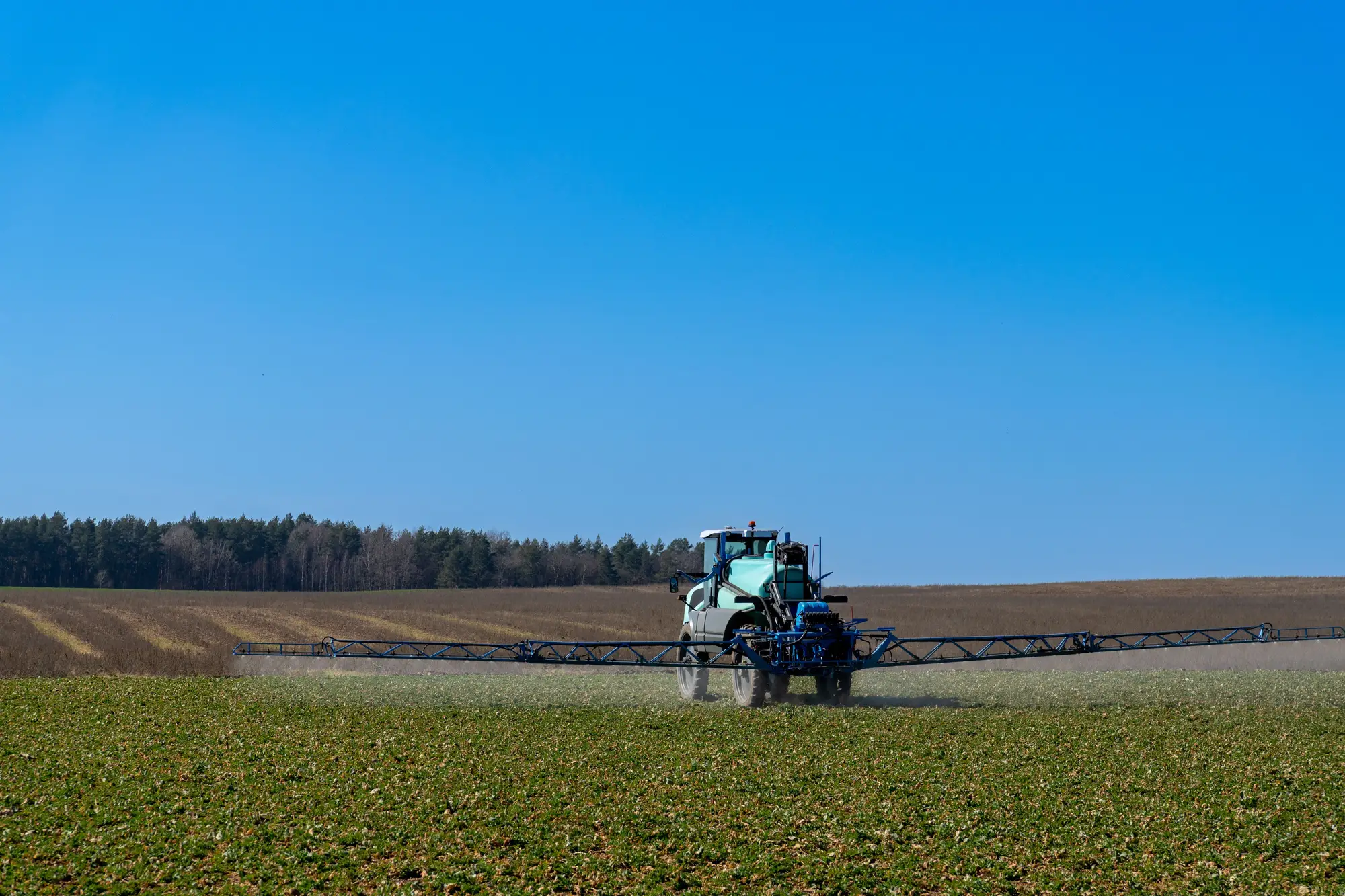
You wrote the script, the grower ran it, and three weeks later you're staring at a controller log wondering if any of those zones actually got what you told them to get. This is the part of the VR workflow that gets skipped more than it should: checking the as-applied data against the prescription after the pass is already done.
It matters because a rate script is a plan, not a receipt. The controller interprets your file in real time, and a dozen things between the cab and the ground can knock a zone off target: a lag in the rate controller's response time, a boom section that stayed on through a turn, a planter meter that couldn't hit the low end of your population range, GPS drift pulling a zone boundary twenty feet off where you drew it. None of that shows up until you pull the logs.
Pull the as-applied file before you move on to the next field
Most controllers (Ag Leader, Raven, John Deere, whatever the grower's running) will export an as-applied shapefile or ISOXML log with actual rate, actual location, and a timestamp for every pass. Get that file off the display or the data card before the grower trades equipment or wipes the card for next season. This sounds obvious until you've chased down a grower in February asking for logs from a hybrid trial he planted in April.
Load the as-applied layer next to the original prescription in whatever GIS or ag software you're running the reconciliation in. You're looking for three things: did the applied rate track the prescribed rate by zone, did the zone boundaries land where the script put them, and are there gaps or doubled coverage where overlap control didn't catch it.
Where the mismatches show up
In practice, the gap between script and as-applied clusters in a few predictable spots. Headlands and point rows are the worst offenders. A zone that's four acres in the middle of the field might true up within a few pounds, but a narrow strip along a terrace or a tree line often shows the controller still ramping from the previous zone's rate when it crosses the boundary. Variable-rate seed on older planters shows the same thing: the drive system has a response lag, so a sharp jump from 28,000 to 36,000 seeds doesn't happen instantly, it happens over 60 to 100 feet.
The other common mismatch is simpler: the operator overrode the script. Check the log for a flat, unchanging rate across zones that were supposed to vary. That's almost always a manual override, not a controller malfunction, and it's worth a call to the grower before you build next year's script off bad assumptions.
Building the reconciliation step into your workflow
Treat this as a standing step after every VR pass, not a one-off audit. Pull the as-applied log, overlay it on the prescription, and note the zones where applied rate deviated from target by more than whatever threshold you're comfortable with for that input. For seed and fertilizer, a 5–8% swing in a few zones is usually equipment lag, not a scripting problem. Consistent drift across the whole field points to a controller calibration issue that needs to get fixed before the next pass, not patched in software.
Keep a simple record, zone by zone, prescribed versus applied, with a note on cause where you can tell. Over a season or two this reconciliation record becomes the thing that tells you whether your zone boundaries are usable at the resolution your equipment can hit, or whether they need to be redrawn coarser.
This is also where your underlying zone data earns its keep. If the zones feeding the script came from a single stale soil layer, a mismatch between prescribed and applied rate can mask a second problem: the zone itself was wrong for how the field was behaving that week. Scripts built off current-season biomass and vigor imagery, like the per-zone prescriptions Field Variability puts together from in-season multispectral passes, start from a zone map that reflects what was growing in that field that week. When you true up against the as-applied data, you're checking the controller and the equipment against a zone map you trust, instead of wondering whether the zones themselves need fixing too.
Post-season reconciliation won't fix a bad pass after the fact, but it's the only way you find out your zone boundaries or your controller settings need work before you build next year's script the same way.
If weekly in-season vigor gradients sound like a better starting point for next year's zones, take a look at what Field Variability builds from them.